IGNISCook Smarter, Live Better.
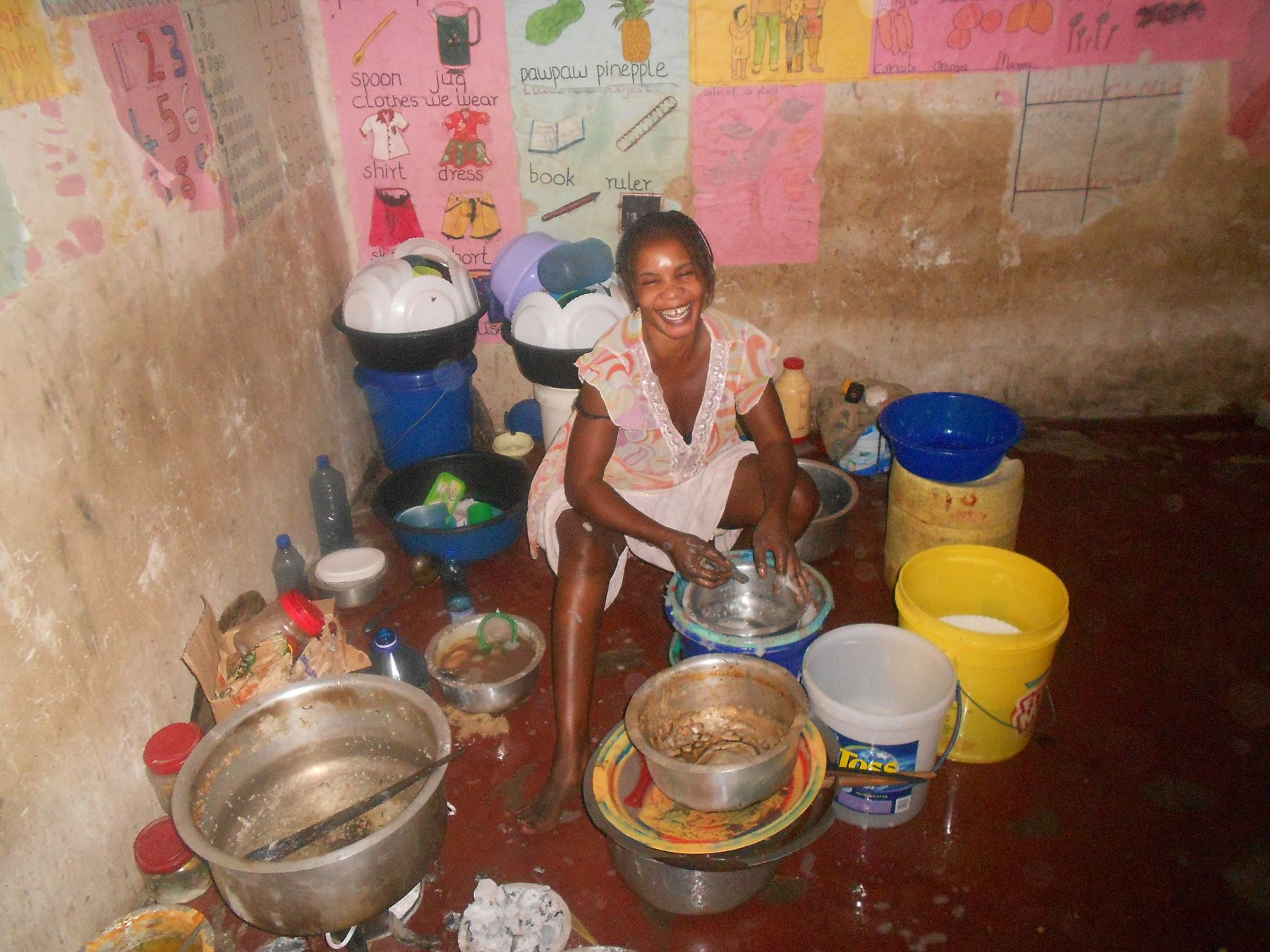
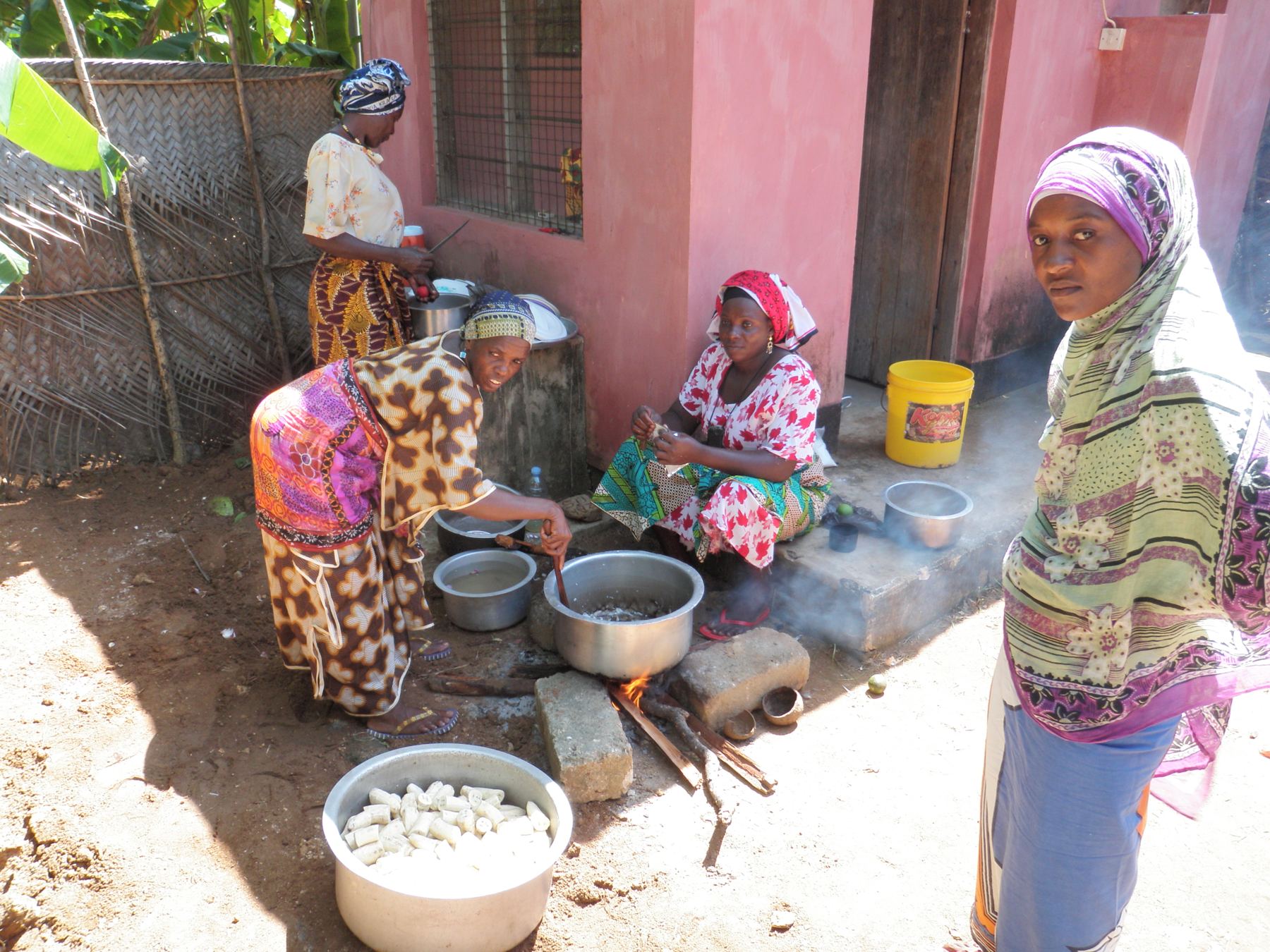
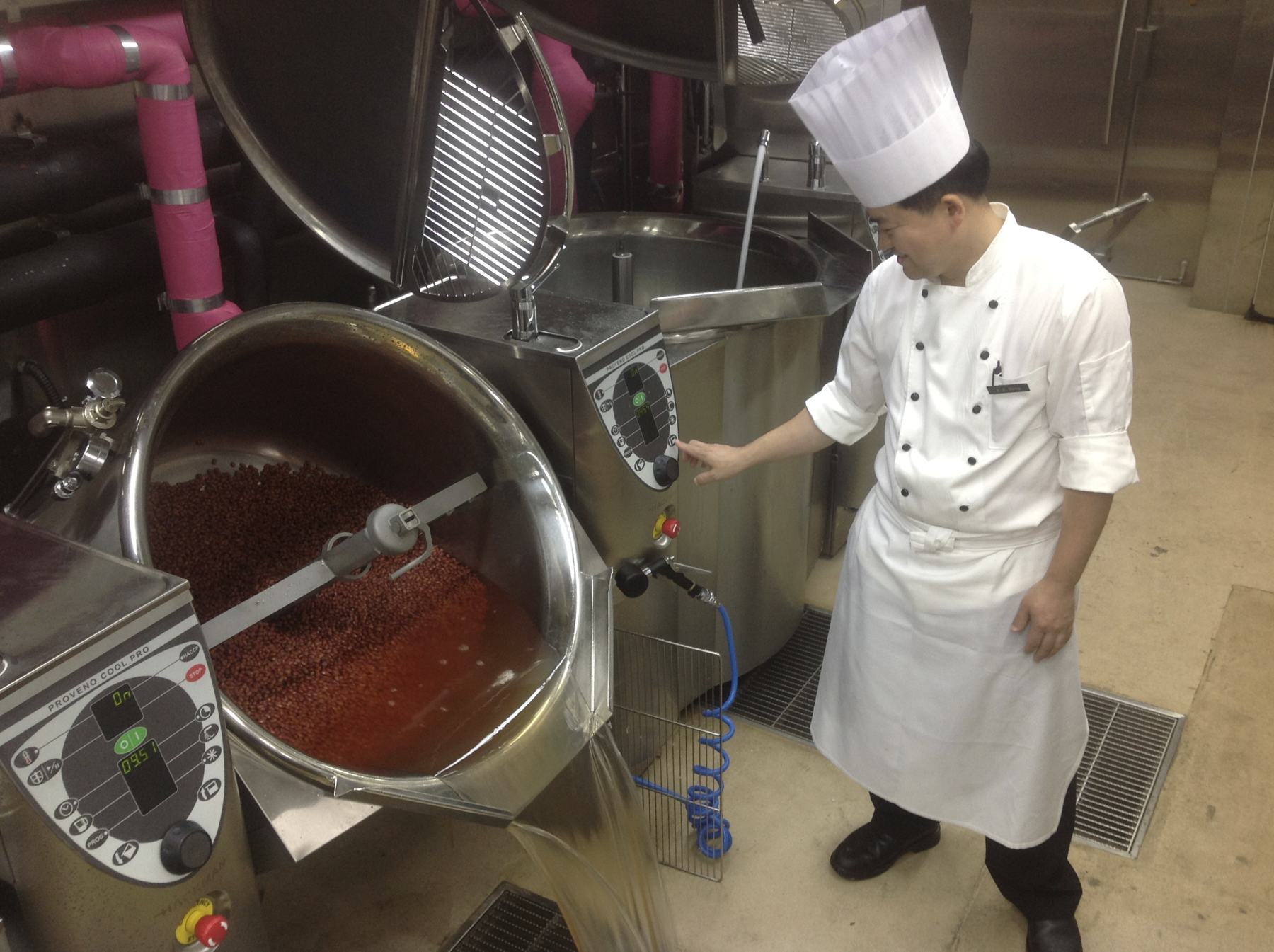
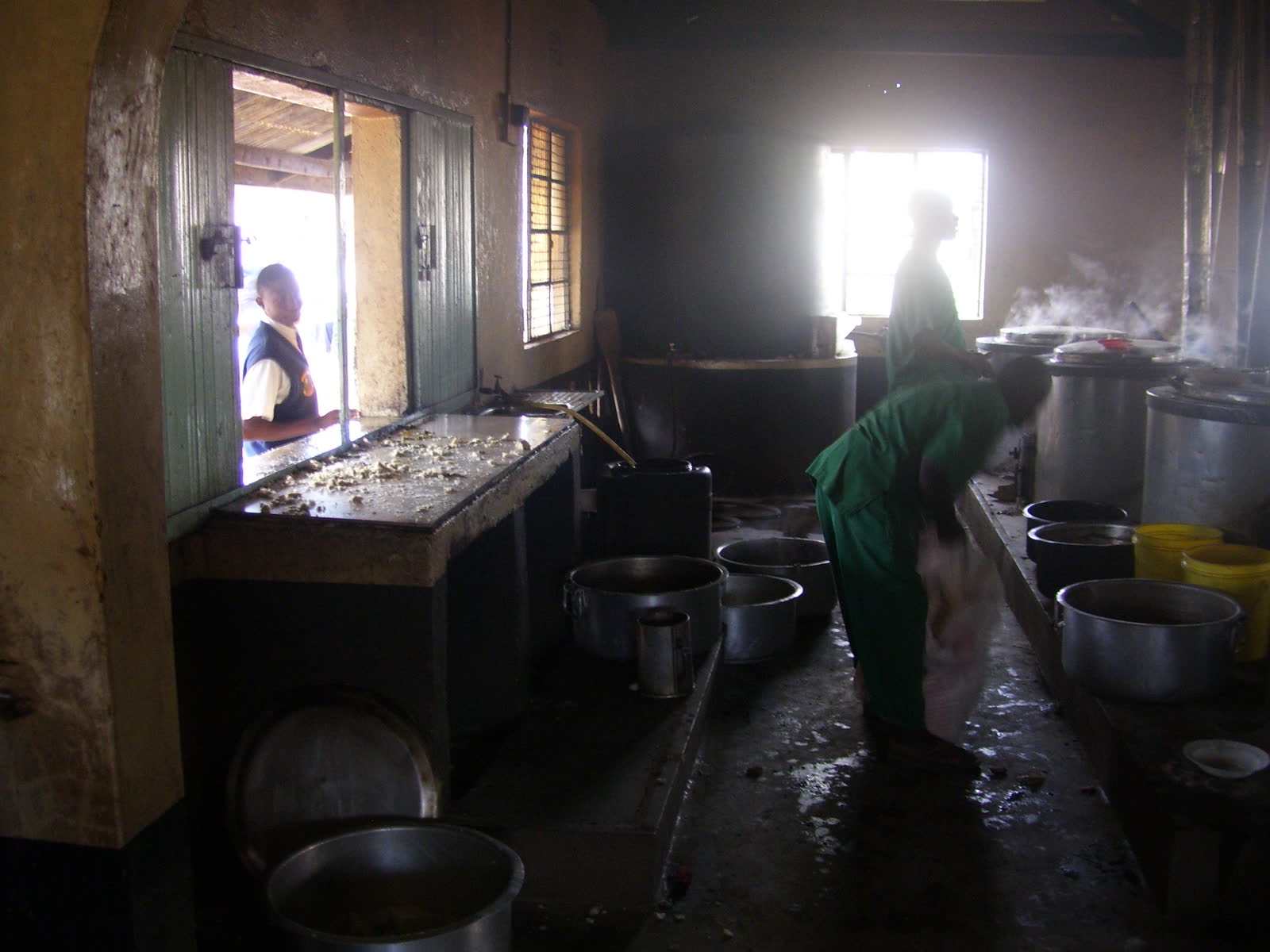
Cooks at work over large pots in a firewood school kitchen

Cleaner institutional kitchens, financed from the fuel budget you already have.

Ignis helps schools, hospitals and other institutions switch from firewood to clean, efficient cooking. We assess the kitchen, identify the right solution, structure the transition and deliver the system, then measure what changes.

The gap isn't the technology. It's the connection.

Institutions need cleaner, more affordable ways to cook. Technology providers need qualified institutional demand. Financiers need projects they can assess and support. Governments and development partners need reliable data on where the need exists, what solutions fit, and what happens after deployment.

Ignis connects these pieces. We validate demand, structure projects, connect them to technology and financing, support implementation and measure the results.

How Ignis connects the clean-cooking ecosystemInstitutional demand flows to Ignis. Ignis connects it to technology providers, finance, and programme partners. CleanCookIQ sits underneath all of them as the data layer.InstitutionaldemandIgnisTechnologyFinanceProgramme partnersCleanCookIQ: the data layer underneath

From demand to measurable results.

  1. Understand

    We assess the kitchen, meal volumes, fuel use, infrastructure and operating conditions.

  2. Structure

    We translate verified demand into a technically and commercially viable project or portfolio.

  3. Finance

    We model the economics and identify an appropriate financing pathway.

  4. Deploy

    We coordinate technology, installation, training and handover.

  5. Monitor

    We track energy use, system performance, savings and uptime.

  6. Verify

    We produce evidence that institutions, financiers and programme partners can use.

Every step runs on CleanCookIQ, our data and decision infrastructure.

What changes in the kitchen?

Cleaner air

Less smoke and open-fire exposure for cooks.

Predictable costs

A structured service payment replaces unpredictable fuel purchasing.

Reliable meals

Less dependence on wet wood and fire-starting time.

Less hassle

Less firewood storage, handling and delivery coordination.

Better visibility

Energy use and system performance are monitored instead of estimated.

Lighter footprint

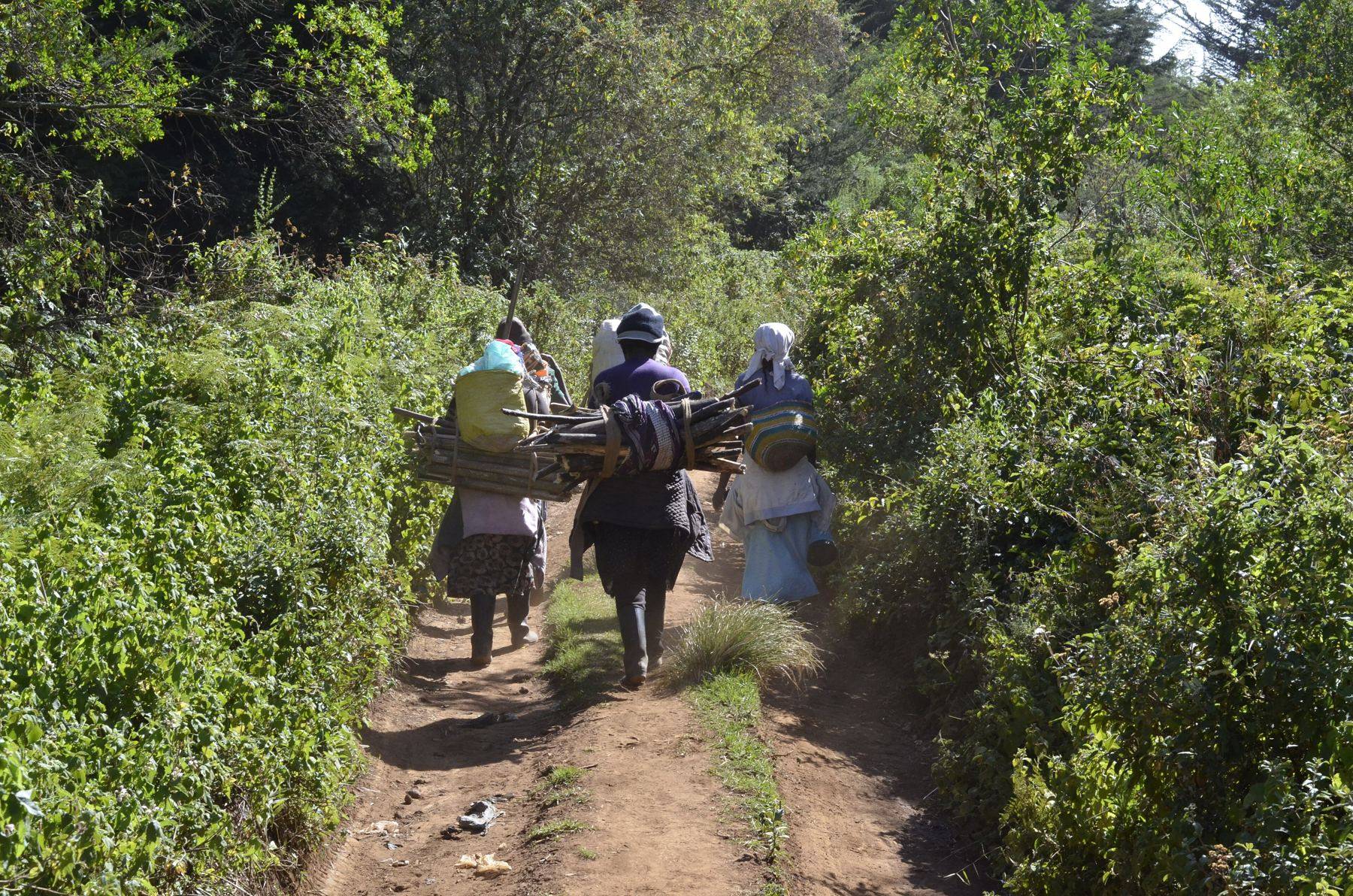
Lower reliance on traditional biomass.

Solutions built for real operating conditions.

Institutional Steam

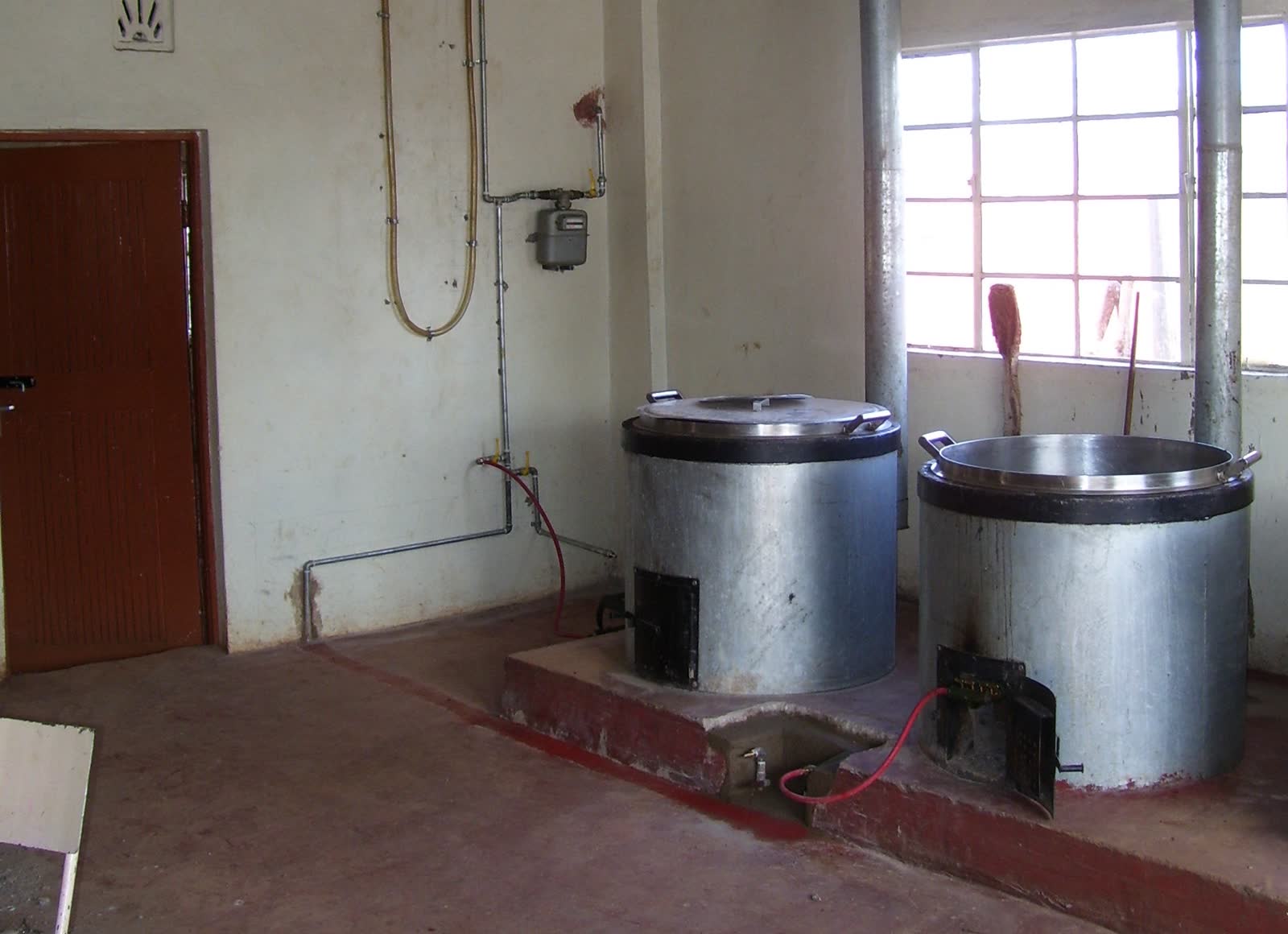
For high-volume kitchens in schools, hospitals, correctional facilities and other institutions where steam generation is an appropriate transition pathway. We assess actual meal volumes and kitchen conditions, size the system, coordinate deployment and support ongoing performance.

Explore Institutional Steam
Electric Cooking

Efficient electric cooking for applications where grid access, cooking demand and operating economics make it the right fit.

Explore Electric Cooking

Clean-Cooking Programmes

For counties, governments and development partners seeking coordinated transition across multiple institutions, from demand mapping and validation through financing, deployment and monitoring.

Explore Clean-Cooking Programmes

We don't just install equipment. We manage the transition.

What could your transition save?

Annual cooking-fuel cost

Illustrative
Current firewood spend
KES 3.6M a year
Illustrative Ignis steam scenario
KES 1.62M a year
Potential differenceKES 1.98Ma year55%

Illustrative example based on a 1,200-learner boarding school at 2026 firewood prices. Actual savings depend on site conditions, meal volumes, fuel prices, system design and operating performance.

How is the transition financed?

The equipment and installation have an upfront capital requirement. Where approved and available, Ignis can structure third-party capital, potentially including grants, concessional finance, results-based finance or carbon finance, with the institution repaying through a Clean Energy Service Agreement linked to its existing energy budget.

How it's financed

Request an Assessment

Why can steam use less fuel?

An open fire sends a large share of its heat into the surrounding air. A centralised steam system contains combustion in an enclosed generator and transfers heat through steam to the cooking vessels. One heat source can serve several cooking points, and indirect heating delivers heat evenly through the vessel walls. More of the energy bought as fuel goes into cooking rather than being lost around the kitchen.

How a centralised steam kitchen worksFirewood feeds an enclosed, insulated generator (callout 1). One heat source sends steam along a steam line to the whole kitchen (callout 2). Jacketed vessels heat food indirectly (callout 3), and the food is cooked.FirewoodEnclosedgenerator1Steam line2Jacketedvessels3Food
  1. Enclosed, insulated generator.
  2. One heat source for the whole kitchen.
  3. Indirect heating in jacketed kettles.

CleanCookIQ: the data behind every decision.

CleanCookIQ is Ignis's digital infrastructure for collecting, validating, analysing and managing institutional clean-cooking transition data. For institutions, it supports a clear, costed transition pathway. For financiers and programme partners, it provides structured information, project economics and performance evidence. For governments, it gives portfolio-level visibility of demand and transition progress.

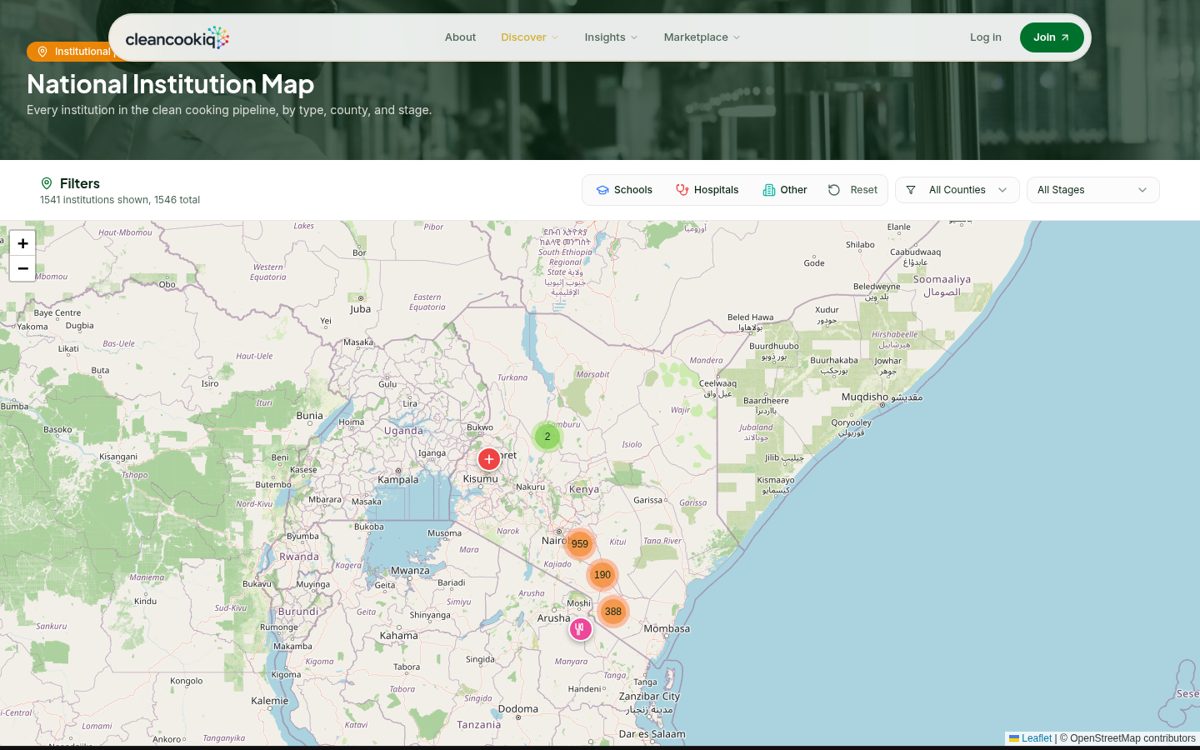
CleanCookIQ National Institution Map: a map of Kenya with clusters of institutions and filters by type, county and stage
National Institution Map: every institution in the pipeline, by type, county and stage.

Who we work with

Institutions

Understand what you spend, identify a viable transition and move to implementation.

For Institutions

Governments & Counties

Map institutional demand, design transition programmes and monitor progress.

For Governments & Counties

Financiers

Access structured projects and portfolios with validated data, project economics and performance evidence.

For Financiers

Technology Providers

Connect suitable solutions to qualified institutional demand and structured delivery opportunities.

For Technology Providers

Development Partners

Design, implement and measure programmes with field-level evidence and clear transition journeys.

For Development Partners

Built in Kenya. Designed for African markets.

Our work in Kenya is helping us build a practical model for institutional clean-cooking transition: assess real demand, structure projects, connect the right technology and finance, deliver the transition and measure what happens. We are building from Kenyan delivery experience towards a model that can work across African markets.

From opportunity to implementation.

Our work spans institutional assessments, county and programme development, clean-cooking technology deployment, financing structures and digital infrastructure.

A finished clean-cooking kitchen with installed cookers at a Kenyan school
Implementation
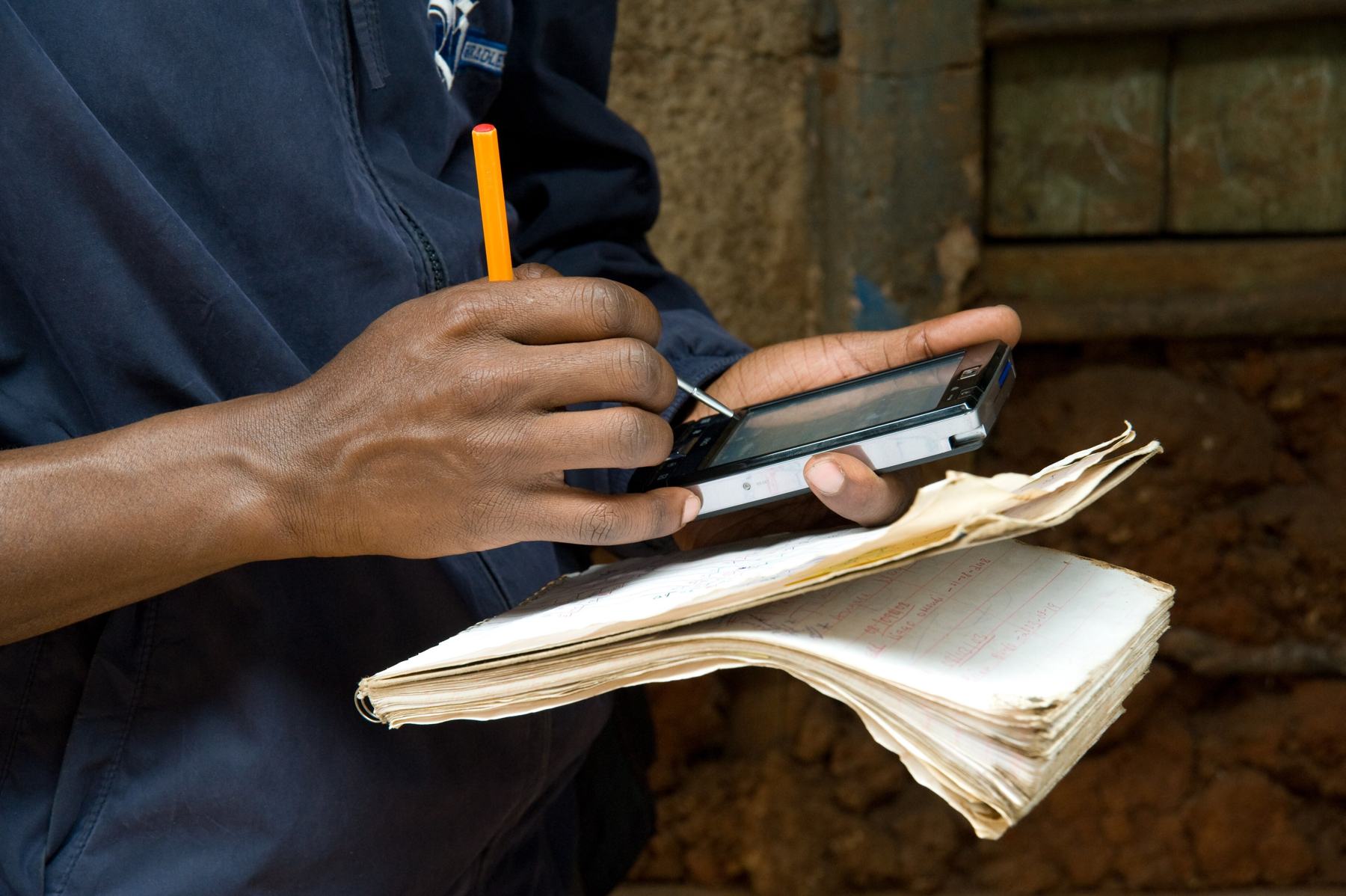
A field worker in Kenya recording data on a phone beside a paper notebook
Assessment
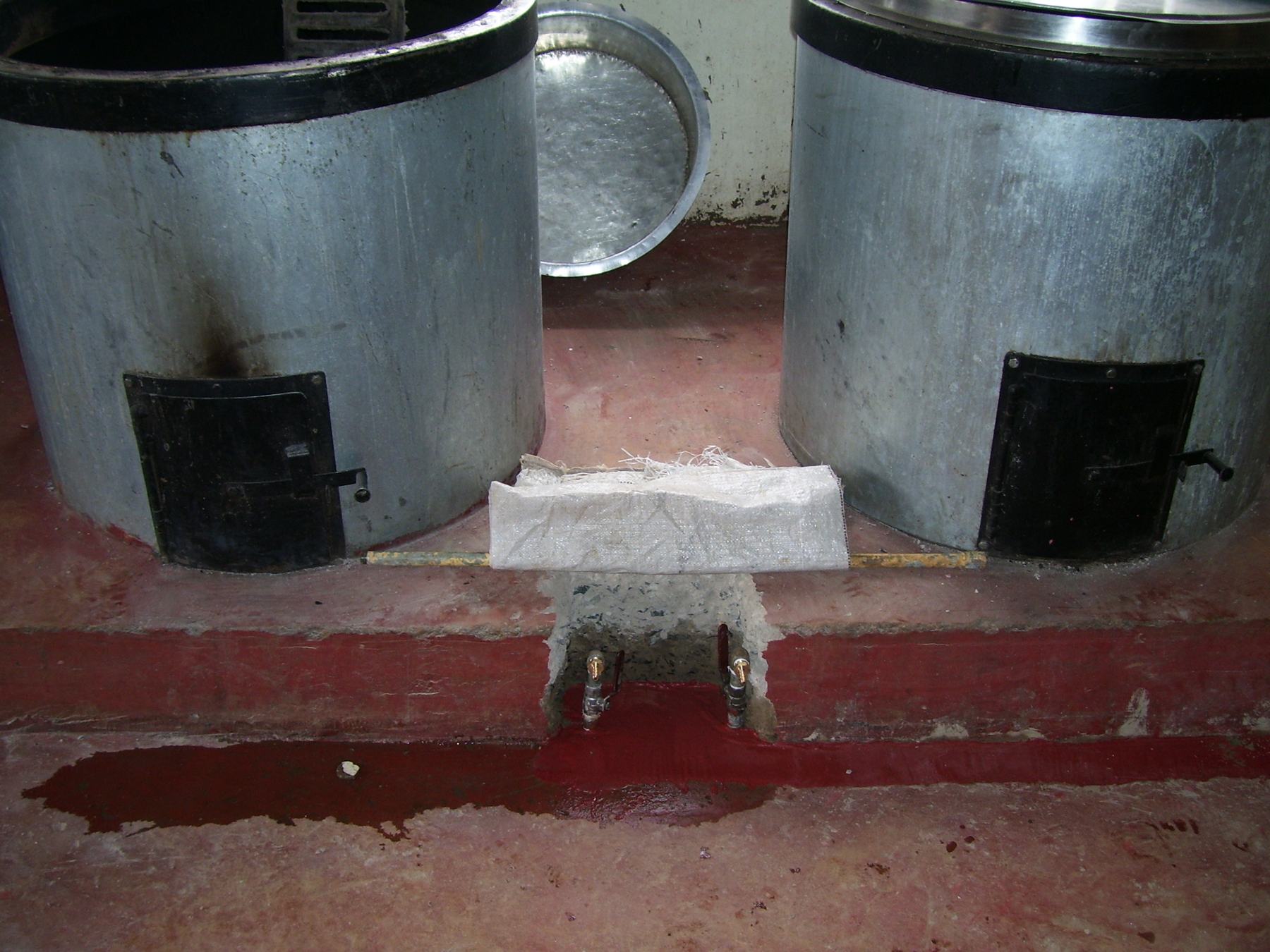
Two improved institutional cookstoves installed in a school kitchen in Kenya
Deployment

Built with the sector, not around it.

We collaborate with public institutions, counties, development partners, financial institutions, technology providers and sector organisations to move clean-cooking projects from opportunity to implementation.

Field Notes from live sites.

What happens when the clean-cooking transition meets the realities of an operating kitchen? We publish field observations, fuel data, engineering lessons, financing insights and project stories from the work we do.

A cook at work among large pots in a kitchen in Likoni, Mombasa

Ready to explore a transition?

Start with the conversation that fits your role.

Request an Assessment WhatsApp